
Last updated September 20, 2026
Full 25-point door and opener safety check with every visit - springs, cables, rollers, tracks, and your LiftMaster or Chamberlain opener included
You get a price before we start. It does not change when the truck arrives.

LiftMaster openers
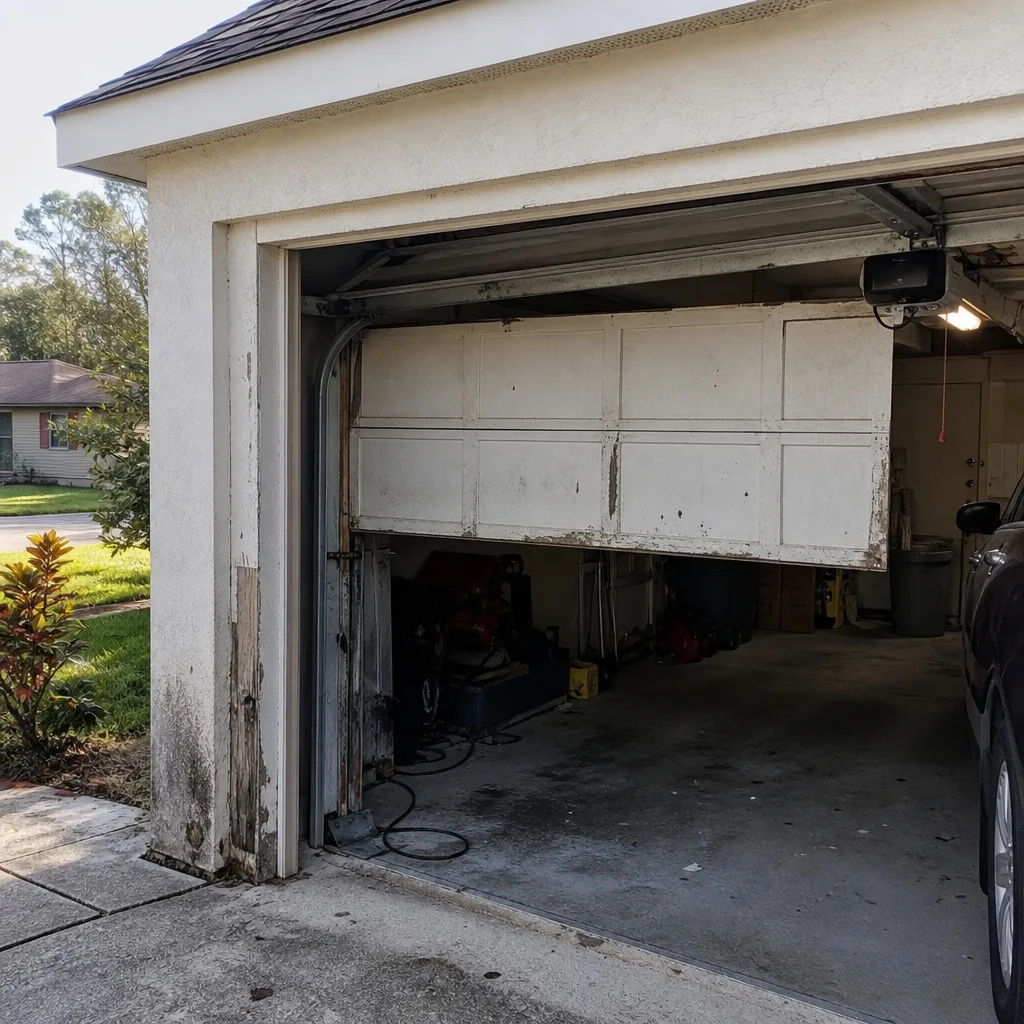 Before
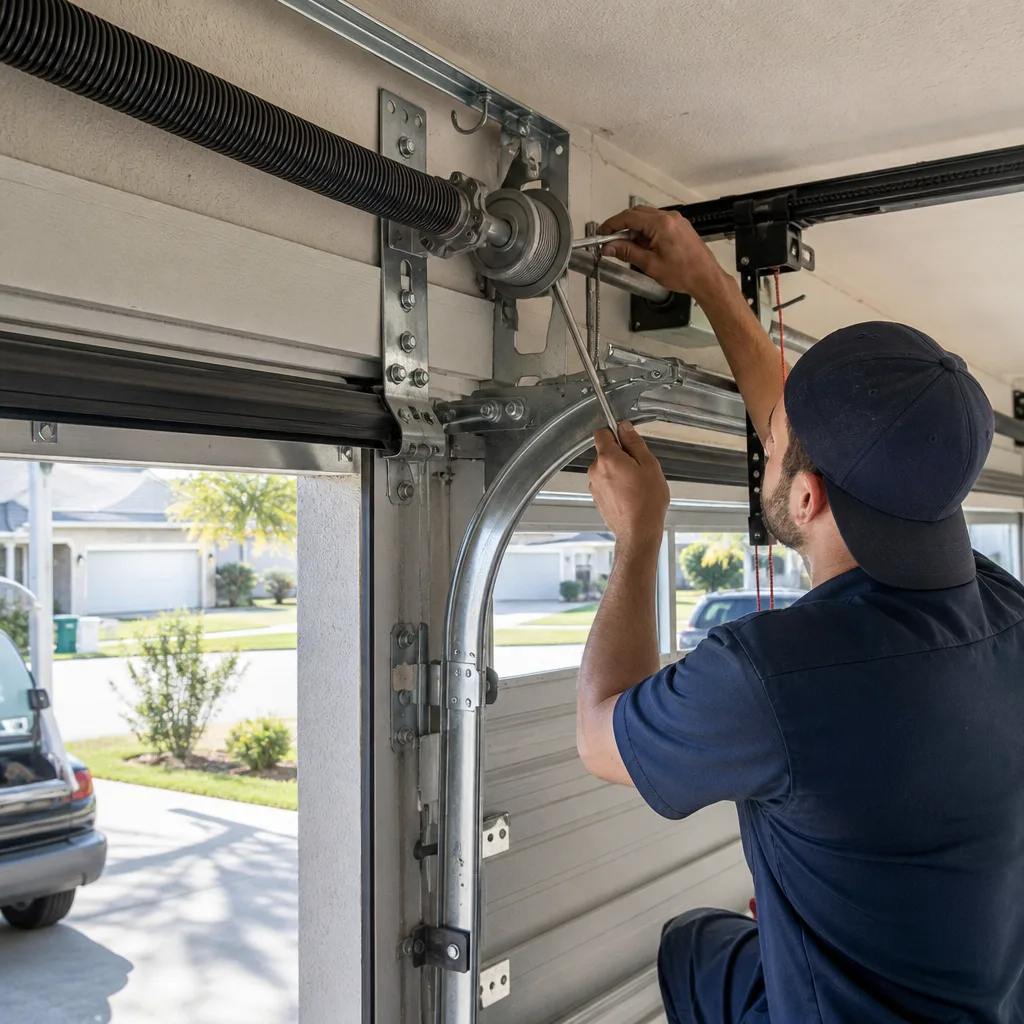 After
After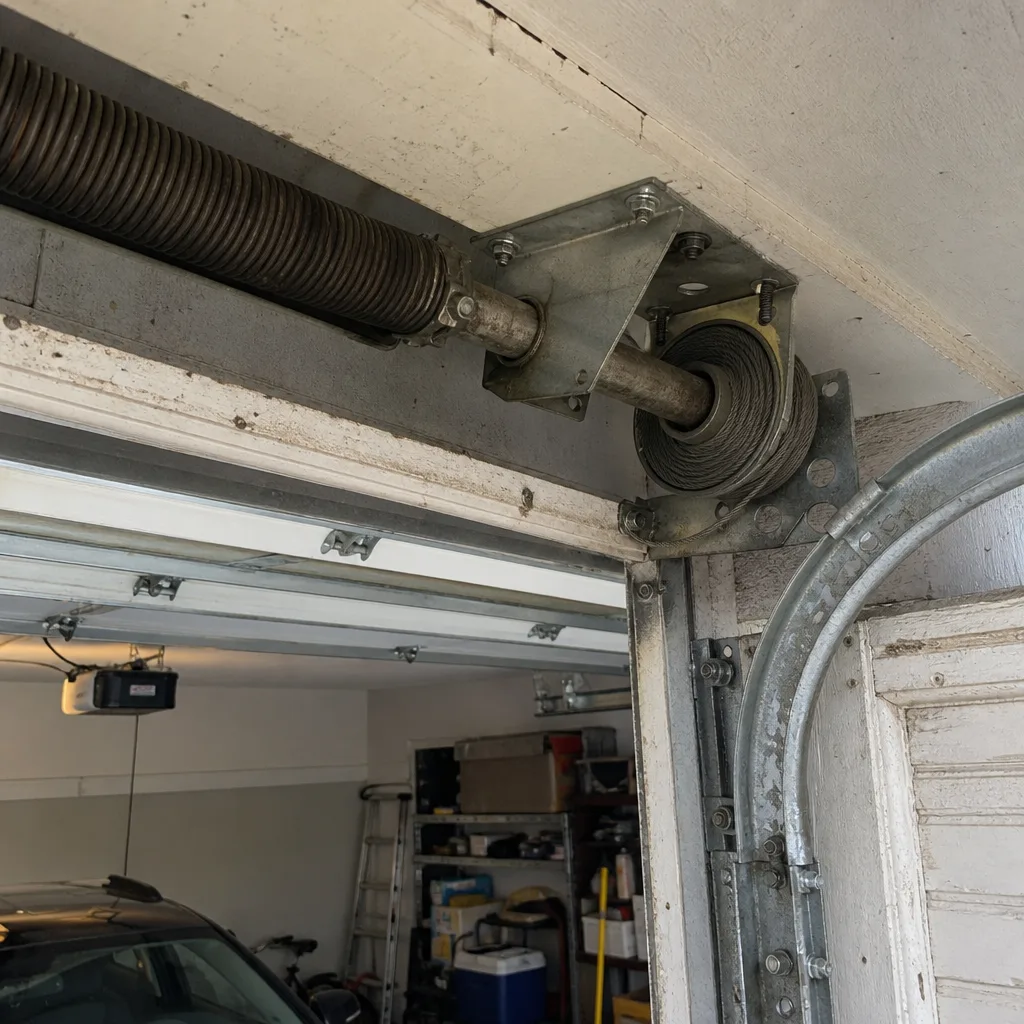 Before
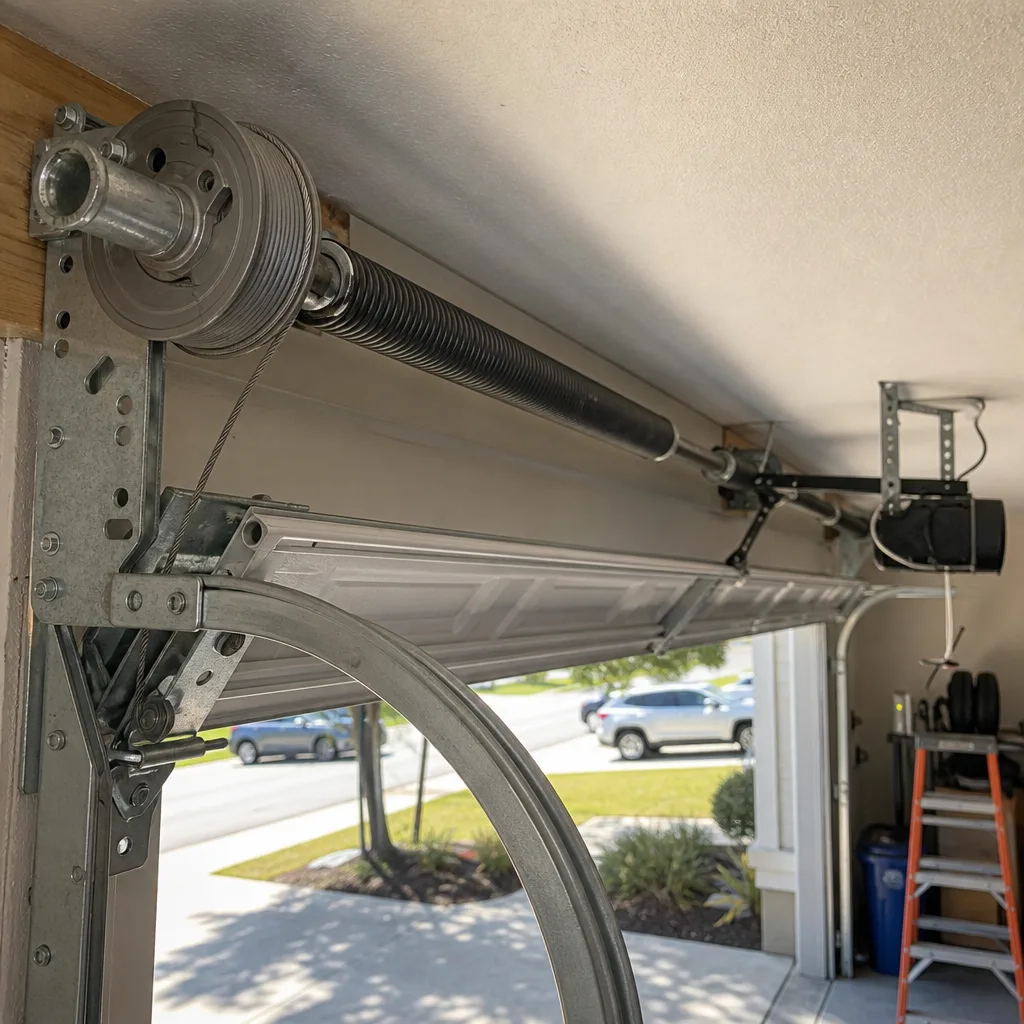 After
After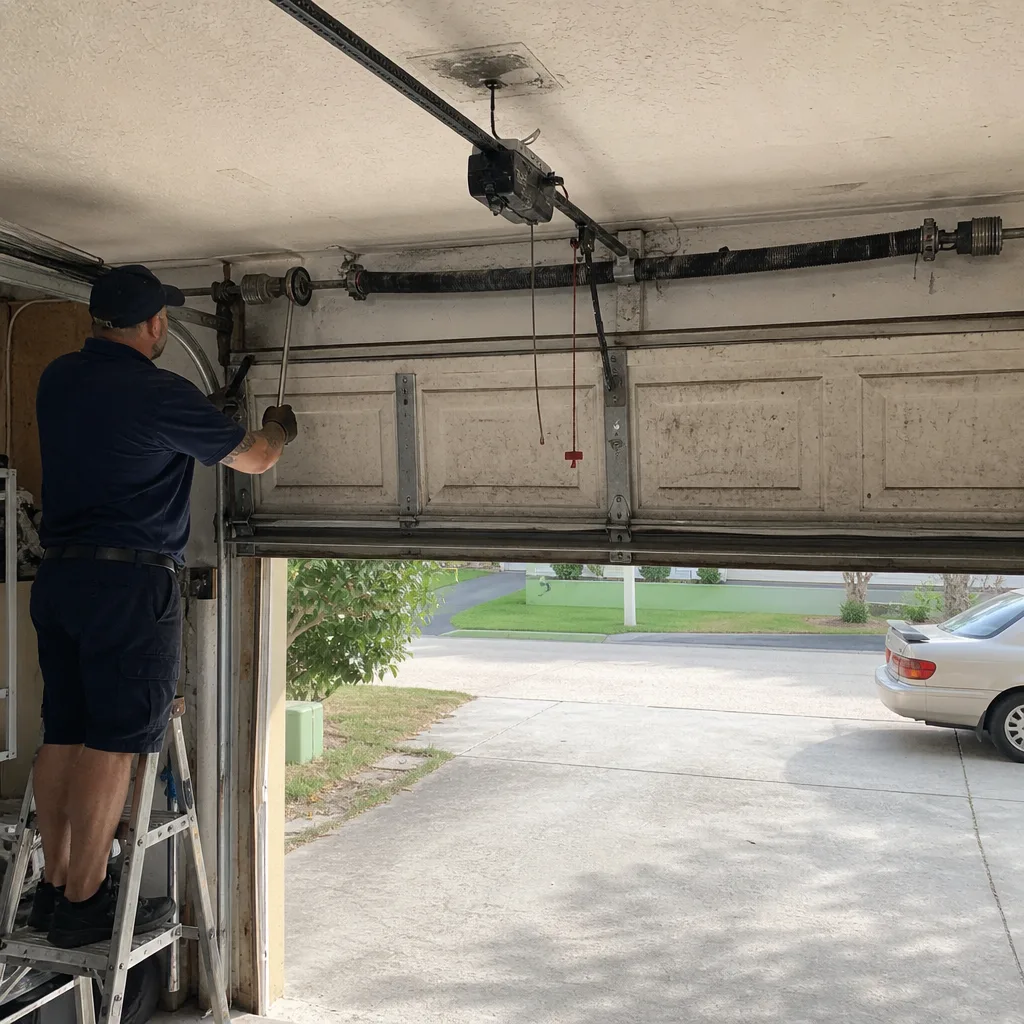 Before
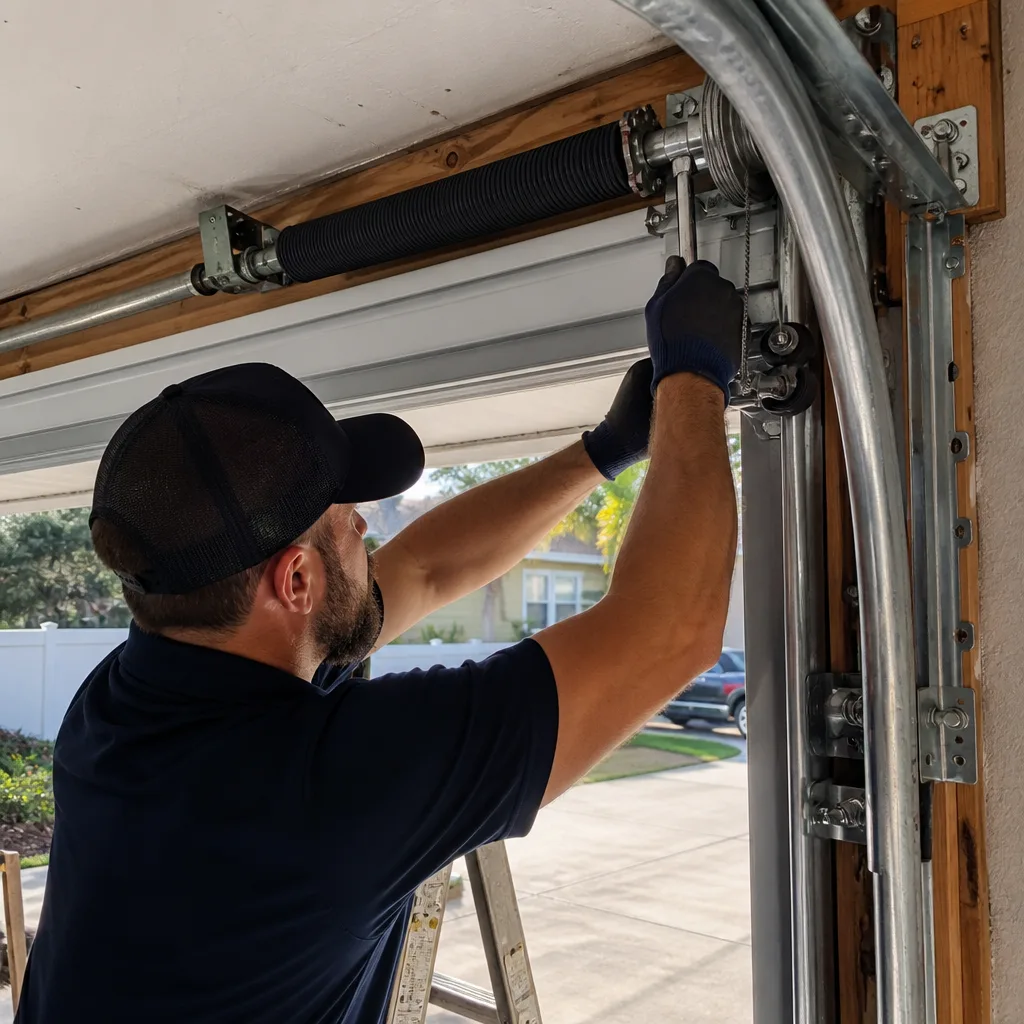 After
AfterGarage Door Permits, Codes & Inspections in FL: What You Need to Know
A garage door replacement in Florida can require a building permit even when the opening dimensions don’t change. And here’s what catches people off guard: an unpermitted replacement can surface as a title issue when you sell, not when it’s installed. In Clermont, we’ve watched homeowners discover this during escrow, years after the door went in. This guide maps exactly where the permit line sits in Lake County, why Florida’s wind-load standards are the driving force behind the code, and what to do if a past owner crossed that line without paperwork.
Quick Answer
In Florida, garage door installation typically requires a building permit, while routine repair and maintenance generally do not. The permit trigger is tied to Florida Building Code Section 1609 wind-load requirements, and in Lake County the deciding factor is the scope of work, not just the door size. Always verify permit status through Lake County’s public permit portal before buying or selling a home in Clermont.
Table of Contents
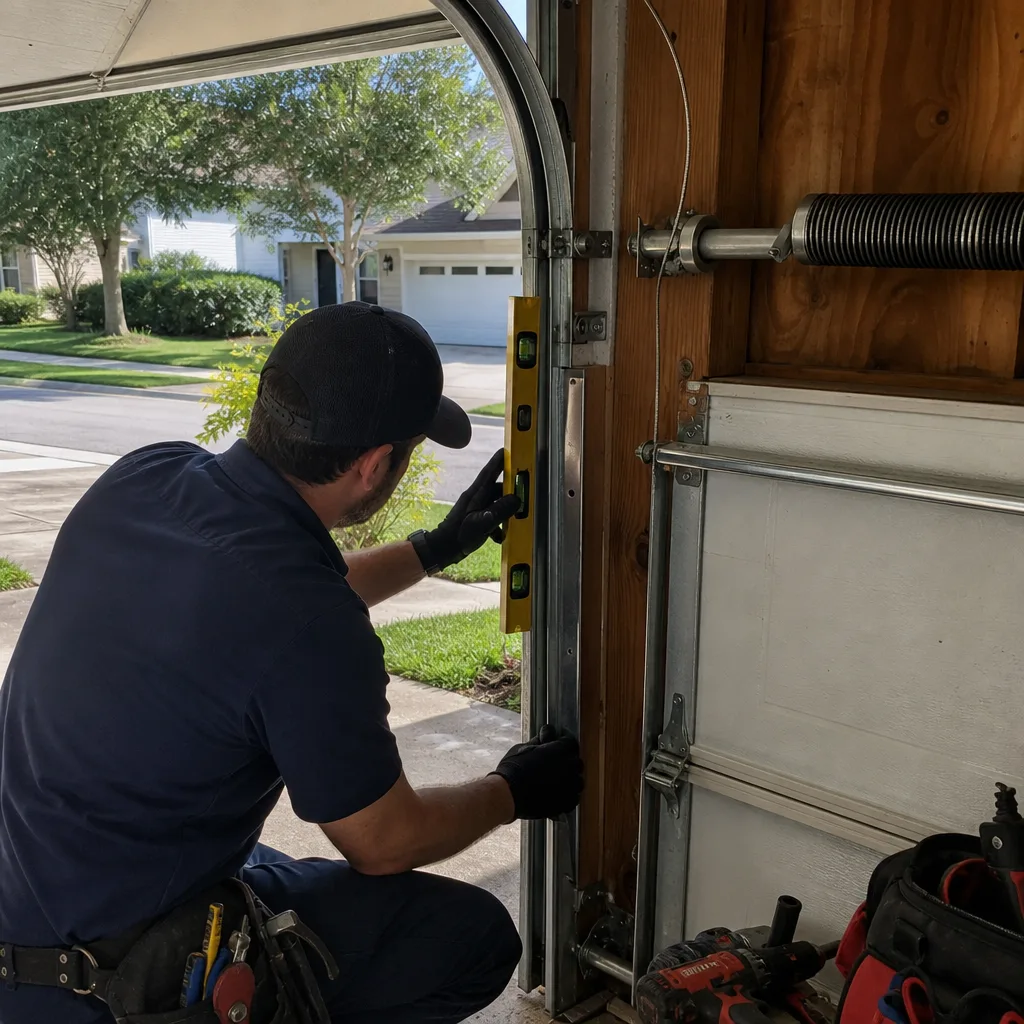
- What Actually Triggers a Permit in Lake County
- Florida Building Code Section 1609: Wind-Load Requirements Explained
- Clermont’s Wind Zone and What It Means for Door Selection
- Repair vs. Replacement: Where the Permit Line Sits
- How to Check Permit History on a Clermont Home
- What the Inspection Actually Verifies
- The Contractor’s Obligation Under Florida Law
- Common Mistakes to Avoid
- When to Call a Professional
- Frequently Asked Questions
- The Bottom Line
BeforeAfterWhat Actually Triggers a Permit in Lake County
Lake County follows the Florida Building Code, and the permit requirement for garage doors hinges on whether the work involves structural alteration or replacement of a component that the code regulates for wind-load performance. Replacing an entire garage door assembly, including tracks, springs, and framing connections, qualifies as construction activity that requires a permit. The logic is straightforward: the door is part of the building envelope, and Florida treats building envelope components as wind-load-resistance systems.
Here’s the specific breakdown of work categories in Clermont:
- Full garage door replacement: Permit required. This includes retrofitting a new door into an existing opening, even if the opening dimensions stay identical.
- Converting a solid wall to a garage door opening: Permit required, plus structural review of the new header.
- Replacing a garage door with a different type: Permit required. Switching from a sectional door to a roll-up door, for example, changes the wind-load profile and anchoring requirements.
- Opener replacement only: No permit required. The opener is not part of the wind-load resistance system.
- Spring replacement: No permit required. Torsion spring replacement is classified as routine repair.
- Track realignment or roller replacement: No permit required. This falls under maintenance.
- Panel replacement on an existing door: Typically no permit required, unless the panel count changes the door’s overall wind-load rating.
The distinction that surprises Clermont homeowners is that a like-for-like replacement still triggers the permit requirement. It’s not about changing the appearance or size. It’s about confirming that the new assembly meets the current wind-load standard for the specific wind zone where the house sits. When we handle garage door installation in Clermont, we pull the permit and handle the inspection scheduling because the documentation is part of what you’re paying for.
Florida Building Code Section 1609: Wind-Load Requirements Explained
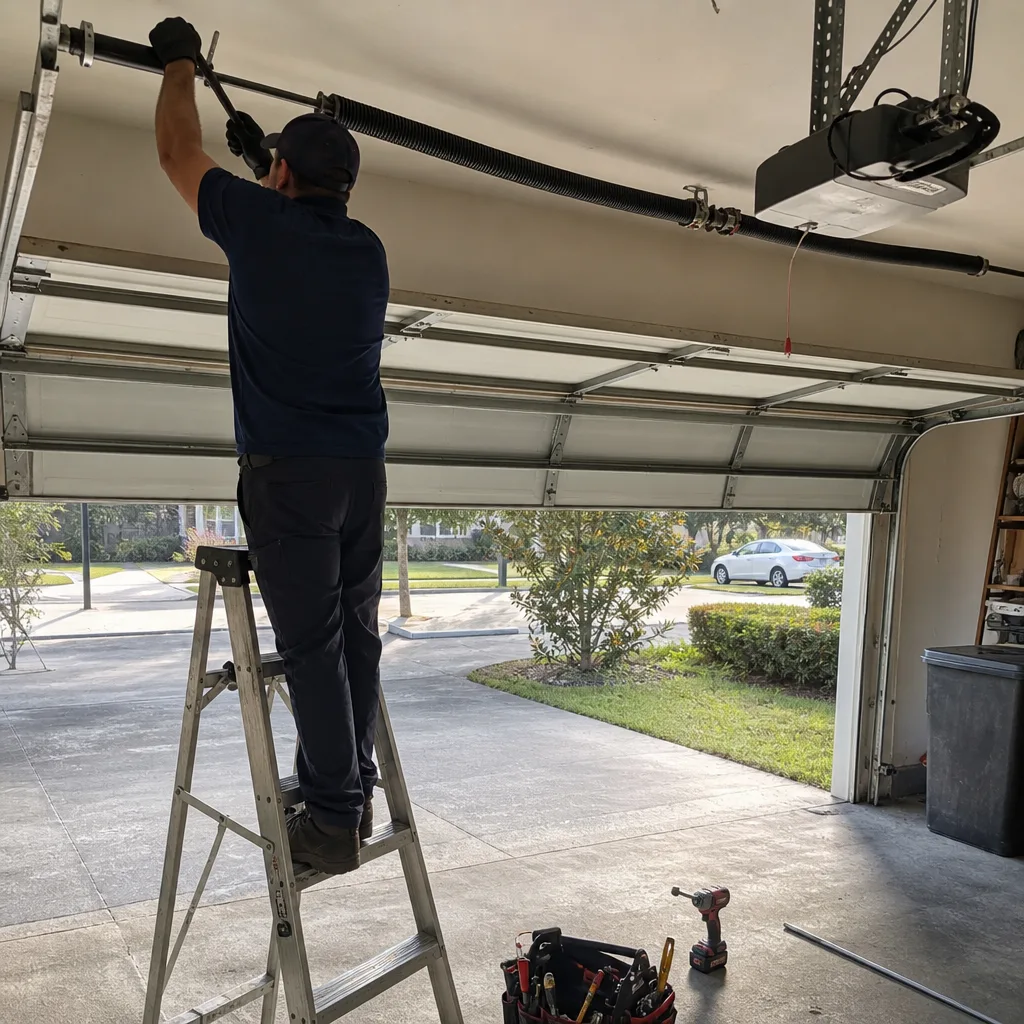
Section 1609 of the Florida Building Code governs wind loads on structures and building components. For garage doors, the key requirement is that the door assembly, when closed and latched, must resist the design wind pressure for its location without failing. The door cannot blow inward, outward, or rack off its tracks during a named storm. This standard exists because a garage door breach during a hurricane pressurizes the interior of the home, which then pops the roof off.
The code specifies two paths for demonstrating compliance:
- Testing and certification: The door manufacturer tests the assembly to the applicable wind pressure rating and provides a product approval document, typically a Florida Product Approval or Miami-Dade NOA. The door label must remain legible and attached.
- Engineered design: If a door doesn’t carry a product approval for the required pressure, a Florida-licensed engineer can design and stamp an anchoring and bracing solution for that specific installation.
What matters to a homeowner is this: the permit and inspection exist to verify that the door you install carries the right approval for your wind zone. You can’t just pick any door from a big-box store and bolt it in. The approval documents must match the pressure rating that Lake County requires for your address. This is why the Servo Garage Doors Clermont home page lists our compliance documentation approach: we photograph the approval label before quoting, because that label is what the inspector will ask to see.
Clermont’s Wind Zone and What It Means for Door Selection
Clermont sits in Lake County, which the Florida Building Code places in a wind zone with design pressures that climb as you move closer to the coast and into exposed terrain. While Clermont is inland, it is not exempt from wind-load requirements. The exact design pressure for any given address depends on the wind speed map in the code, which accounts for inland terrain but still demands substantial door ratings. In practical terms, most homes in Clermont require a garage door rated for wind pressures in the range the code designates for the region, which most major manufacturers now meet as a standard product line.
What this means for door selection:
- Look for the Florida Product Approval sticker or label: Every code-compliant door carries one. It lists the maximum design pressure the door is approved to resist.
- Not every door at the hardware store qualifies: The cheapest sectional door may not have a Florida approval for anything beyond the lowest wind zone. Installing it in Clermont would fail inspection.
- Reinforcement options exist: For doors that need a higher rating, horizontal bracing struts can be added to stiffen the panels. This is a documented, inspected modification, not an afterthought.
- Brand selection matters for documentation availability: Manufacturers like Wayne Dalton, LiftMaster, and Raynor maintain current Florida Product Approvals for their door lines, and the documentation is retrievable online. When a door is older or from a manufacturer that no longer maintains approvals, the inspector may require an engineer’s letter.
In Clermont, we see a mix of home ages, from mid-2000s buildouts in the hills to new construction in the southern expansion areas. Older homes often have doors that predate the current approval system, which becomes an issue when a replacement is triggered or when the home goes under contract and the buyer’s inspector flags the garage door warning signs.
Repair vs. Replacement: Where the Permit Line Sits
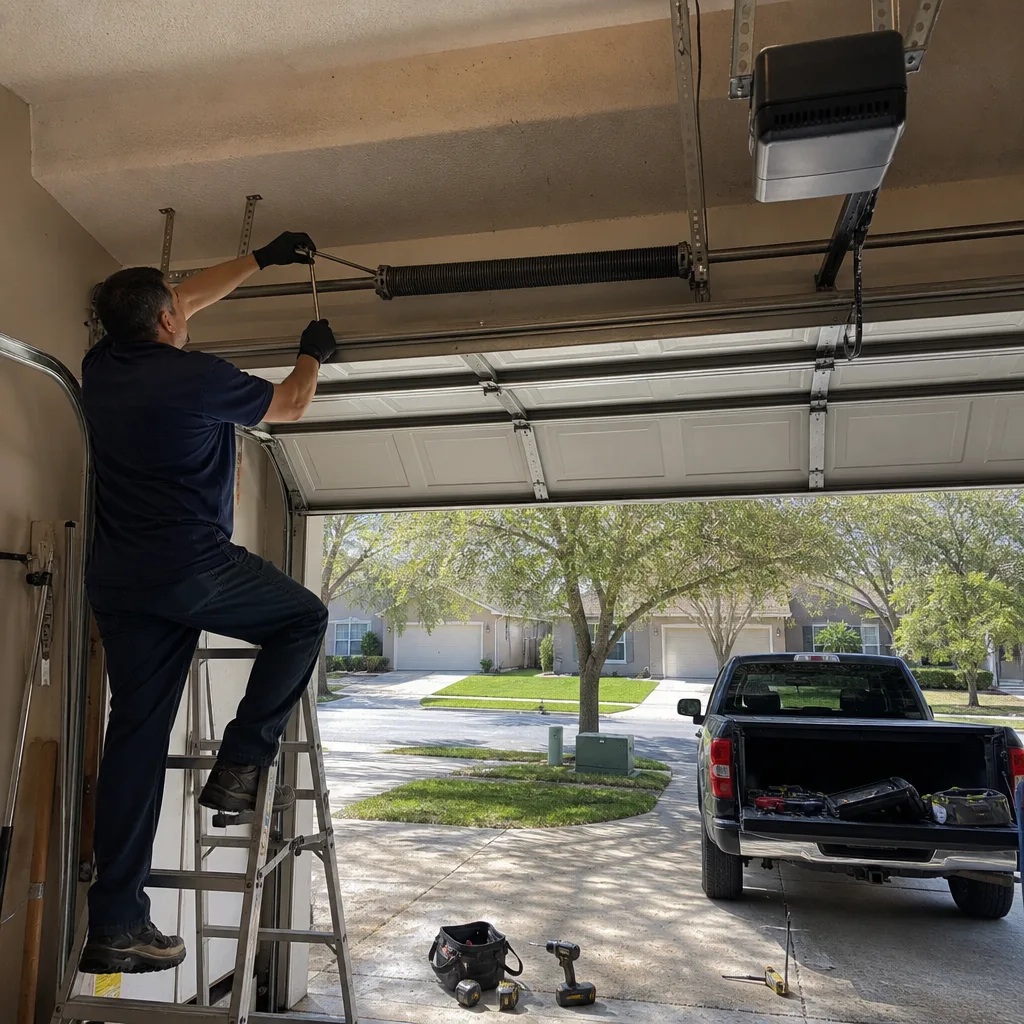
The Florida Building Code draws a deliberate line between repair and replacement, and that line determines whether Lake County expects a permit. Repairs restore an existing component to its intended function without changing the system’s wind-load resistance. Replacements swap out a component or assembly for a new one, which triggers the code’s verification process.
In our experience across Clermont, here’s how the distinction plays out in real jobs:
- Broken torsion spring: Repair, no permit. The spring doesn’t affect wind-load resistance; it counterbalances the door’s weight. Replace the spring, wind-load rating is unchanged.
- Bent track section: Repair, no permit. Straightening or replacing a short section of track on the same gauge and profile restores function without changing the door’s performance under wind pressure.
- Rotted bottom panel: Borderline. If the replacement panel is the same manufacturer, same model, same wind-load characteristics, Lake County typically treats it as repair. If the panel is from a different manufacturer or changes the door’s approval status, the inspector may want a permit.
- Full door swap, same size: Replacement, permit required. Even a same-size Clopay-for-Clopay swap means a new assembly, new anchoring, and a new approval label to verify.
- Door plus tracks plus springs: Full replacement, permit required. This is not a repair by any reading of the code.
When you call Garage Door Repair in Clermont for a broken spring, you’re not triggering a permit. When you’re looking at a full door replacement, you are. We name the distinction in writing on every estimate, because the scope of work determines whether Lake County is involved, and you should know that before any work starts.
How to Check Permit History on a Clermont Home
Lake County maintains a public permit portal where anyone can search for permit records by address. This is the first place to look if you’re buying a home and want to verify the garage door was replaced legally, or if you’re selling and need to know whether the door you installed five years ago has a paper trail. The search is free and doesn’t require an account.
Here’s the step-by-step process:
- Go to the Lake County Building Services permit search page. It’s accessible through the Lake County government website under “Building Services” or “Permits.”
- Enter the property address. Use the full street address, not the parcel number, for the most intuitive results.
- Look for permits with a scope that mentions “garage door” or “door replacement.” Lake County’s system lists a description of work for each permit. A garage door replacement permit should be clearly labeled.
- Check the status. A permit that was issued but never closed with a final inspection is a problem. It means the work may have been done, but the county never verified it.
- Print or save the permit records. If you’re in escrow, provide these to the title company or buyer directly.
If the portal shows no permit for a door that was clearly replaced, you have options. You can apply for a retroactive permit, which requires an inspection and possibly engineering documentation if the door’s approval label is missing. You can negotiate the issue with the buyer. Or you can replace the door again, this time with permits. In Clermont’s current market, an unpermitted door is rarely a deal-killer, but it is a negotiation point, and the seller who can produce the paperwork closes cleaner than the one who can’t.
What the Inspection Actually Verifies
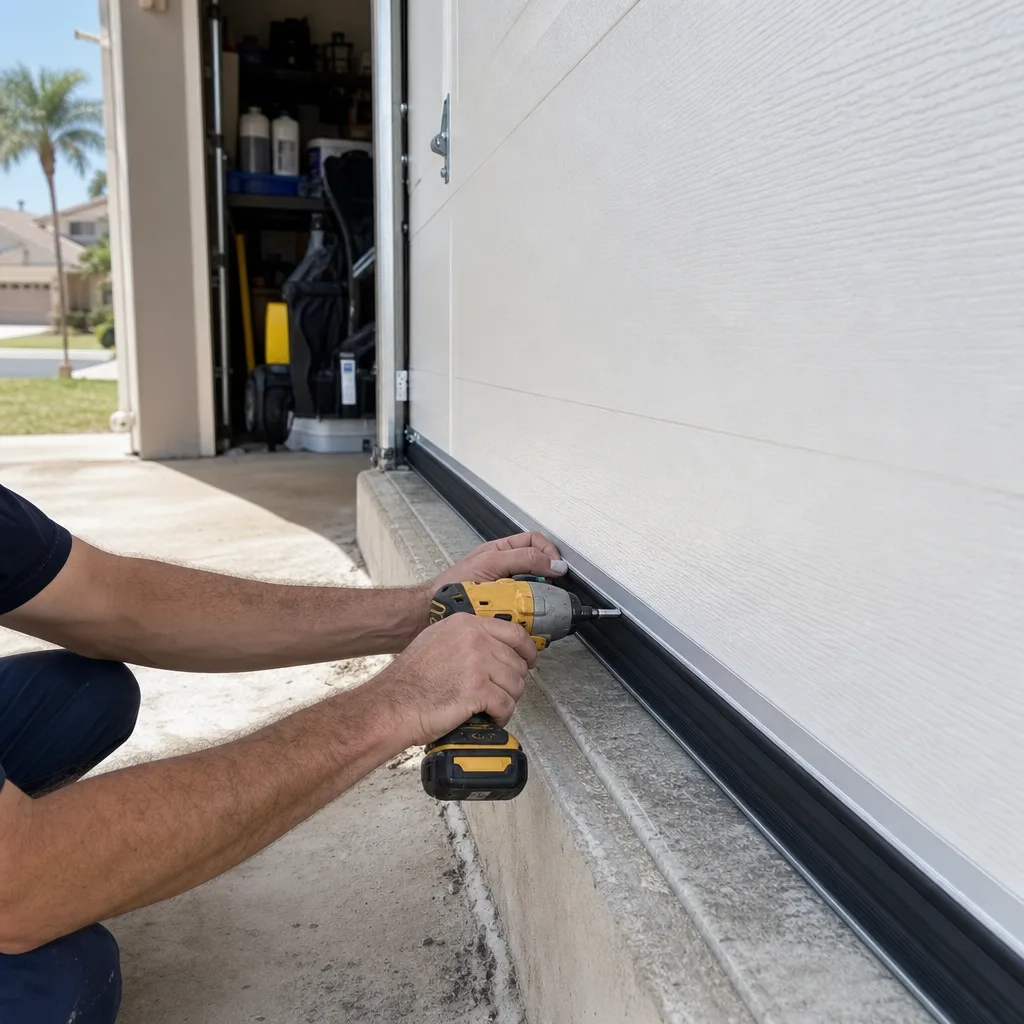
The Lake County inspector who comes out after a permitted garage door replacement is not there to confirm that the door opens and closes. That’s the functional baseline. What the inspection verifies is the structural and wind-load compliance of the installation. Here’s what the inspector checks:
- Anchorage method: The door tracks and jambs must be anchored to the surrounding structure with fasteners that match the approved installation details for the door’s wind-load rating. The inspector checks fastener type, size, spacing, and embedment.
- Horizontal bracing: If the door requires reinforcement struts, the inspector verifies that they are installed at the correct locations and secured per the manufacturer’s engineering details.
- Track gauge and mounting: The track must be the gauge specified by the door manufacturer for the door’s size and weight. Heavier doors require heavier track. The inspector confirms the gauge and the mounting bracket spacing.
- Product approval label: The inspector reads the Florida Product Approval sticker on the door and confirms it matches the door installed and the design pressure required for the address.
- Closure and latching: The door must close completely and engage its latching mechanism. A door that doesn’t close fully is not providing the wind-load resistance it was approved for.
The inspection is not a formality. Lake County inspectors write corrections for missing labels, wrong fasteners, and undersized track, and those corrections must be addressed before the permit closes. This is also the moment when a homeowner who went with the low-bid installer finds out the savings evaporated: the inspector’s correction sends everyone back to the same door, this time with rework costs.
The Contractor’s Obligation Under Florida Law
Florida law places the permit responsibility on the contractor, not the homeowner, for qualifying work. When a licensed contractor performs a garage door replacement that requires a permit, that contractor is obligated to pull the permit and schedule the inspection. If a contractor asks the homeowner to pull the permit themselves, that’s a signal worth paying attention to-see our guide on how to hire a garage door contractor in Clermont. It typically means one of three things: the contractor isn’t licensed in Lake County, the contractor doesn’t want the work inspected, or the contractor is trying to keep the permit record at arm’s length from their own license.
Here’s what the law requires of a licensed contractor on a permitted garage door replacement in Florida:
- Obtain the permit before work begins: No permitted work starts until the permit is issued. Permits can be applied for electronically through Lake County.
- Meet the inspection schedule: The contractor coordinates the inspection timing and ensures the work is ready when the inspector arrives.
- Correct any deficiencies: If the inspector writes corrections, the contractor fixes them and schedules the reinspection.
- Close the permit: The contractor notifies Lake County when work is complete and verified, and the permit is closed in the system.
When we handle garage door opener repair and installation in Clermont, openers don’t require permits, so we’re typically on-site the same day. For full door replacements, the permit is part of the written scope, and the permit number appears on your paperwork. You shouldn’t have to ask for it.
Common Mistakes to Avoid
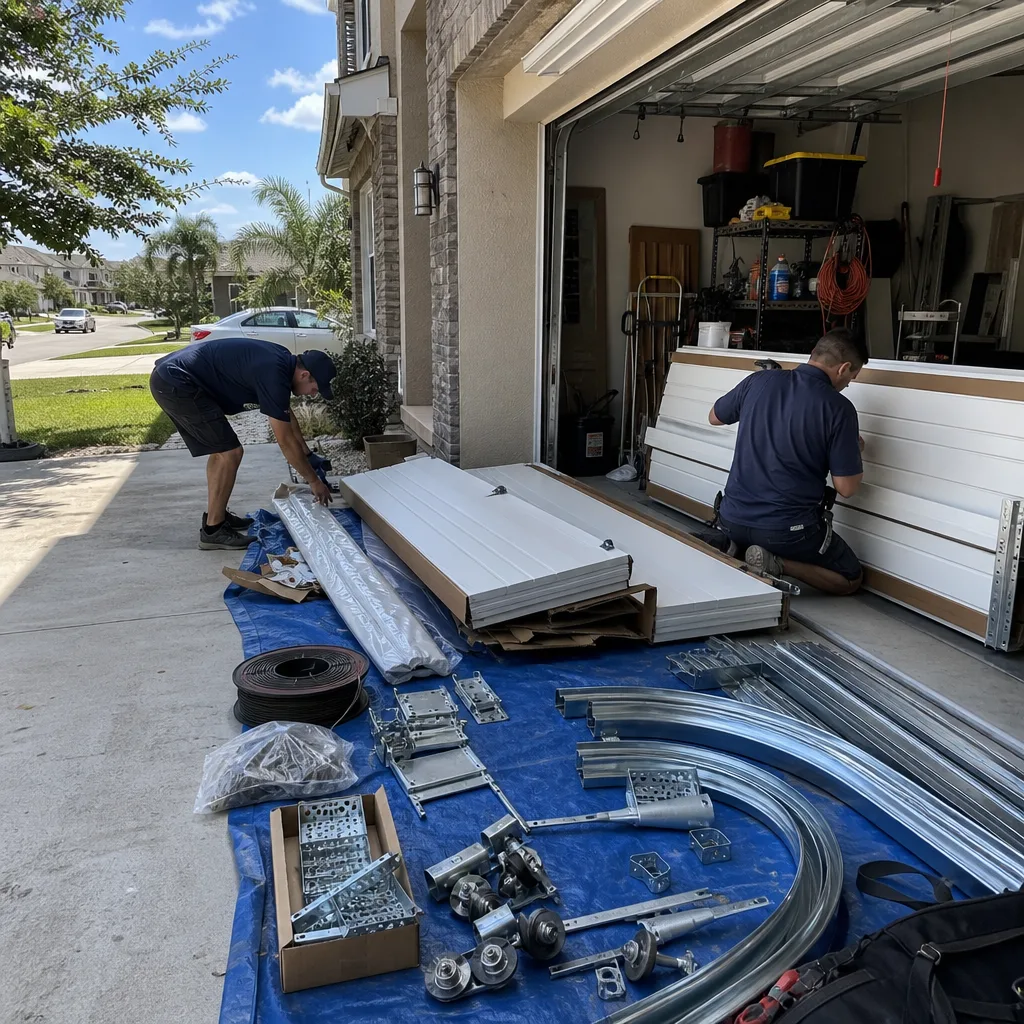
- Assuming a like-for-like replacement skips the permit. It doesn’t. The code won’t waive the requirement just because the new door is the same size and color as the old one. The inspector still verifies wind-load compliance.
- Buying a door online and hiring a handyman to install it. The handyman can’t pull a permit in Lake County, which means the work is unpermitted, and the door likely doesn’t have the right Florida Product Approval anyway.
- Ignoring the permit status until you sell. Clermont’s market moves fast, and a title company will flag an unpermitted garage door replacement during escrow. You’ll be negotiating under time pressure.
- Trusting the product approval label from an old door. Approval labels are tied to the door they were attached to at the factory. You can’t apply an old label to a new door and expect it to pass.
- Skipping the inspection after the permit is pulled. An open permit is just as problematic as no permit when you go to sell. Close the loop.
- Letting the contractor choose the door without showing you the approval documents. The door needs to meet the design pressure for your specific address in Clermont. Ask to see the Florida Product Approval before you sign.
When to Call a Professional
If you’re replacing a garage door in Clermont, this is not a DIY project, and it’s not a handyman project. The wind-load verification, the permit, and the inspection all assume a licensed contractor who knows what Lake County requires. Call a professional when you’re planning a full door replacement, when you’ve discovered an unpermitted door during a home purchase, or when an inspector has flagged your existing door. Servo Garage Doors Clermont offers free estimates in Clermont, and every estimate includes a written scope and a flat price before any work starts. Call (689) 400-2825 and we’ll walk you through what your specific address requires, including which doors carry the Florida Product Approval you need.
Frequently Asked Questions
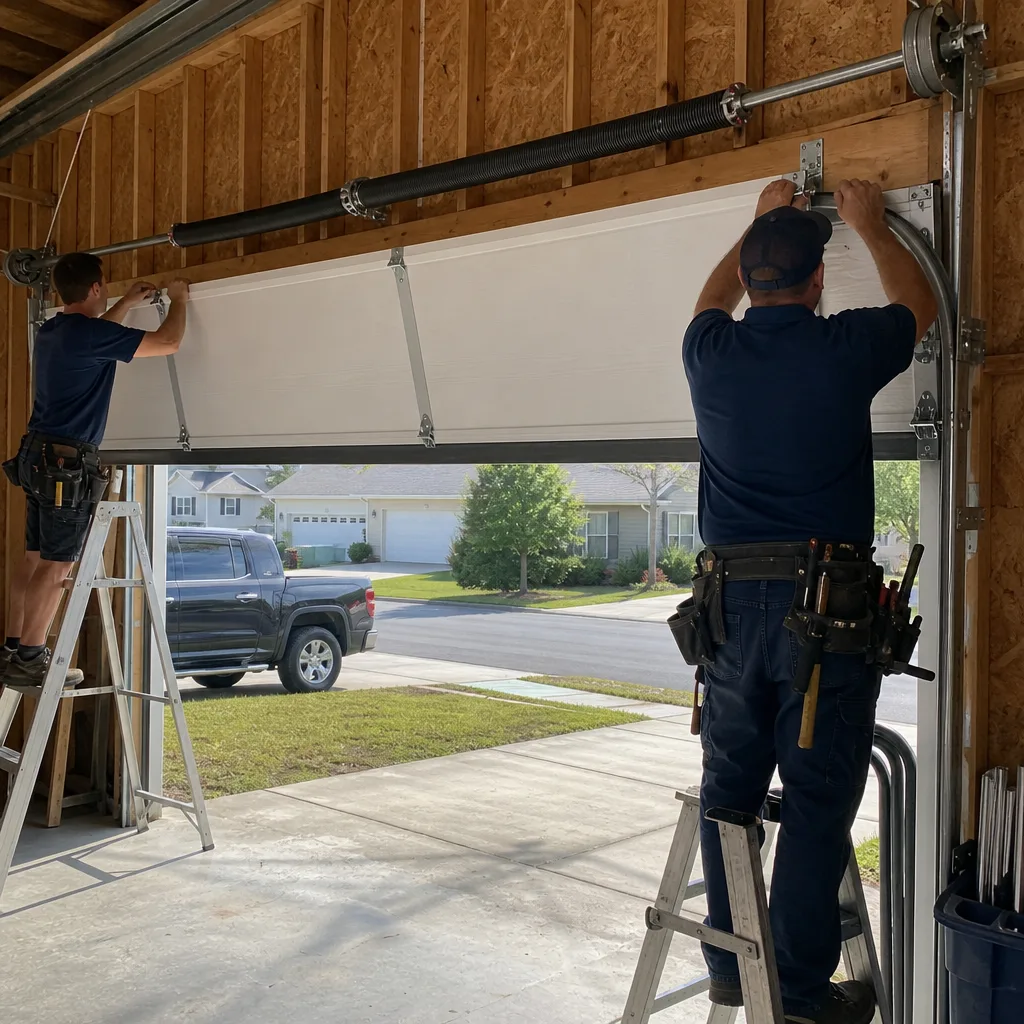
Yes, a permit is required for full garage door replacement in Florida, including in Lake County. Routine repairs like spring replacement and track realignment do not require a permit. Call (689) 400-2825 and we’ll confirm the scope of your job in writing before any work starts.
Permit fees in Lake County vary based on the project valuation, and for a garage door replacement the fee is typically under $200, though the exact amount depends on the door’s value and the current fee schedule. The contractor’s written scope should include the permit fee as a line item, not as a surprise. For an exact figure on your specific door, call (689) 400-2825.
Yes, you can sell, but the unpermitted door will likely surface during the buyer’s inspection or title review, and it becomes a negotiation point. The cleaner path is to pull a retroactive permit or replace the door with the proper documentation before listing. We help Clermont sellers resolve this regularly.
The inspector writes a correction notice specifying what’s non-compliant, and the contractor must fix it and schedule a reinspection. Common failures include missing approval labels, incorrect fasteners, and undersized track. The permit stays open until the corrections are cleared, which matters when you sell.
No, openers are not part of the wind-load resistance system, so opener replacement doesn’t trigger a permit. The code focuses on the door itself: panels, tracks, anchoring, and bracing. Opener work is why opener repair in Clermont can often be done same-day.
Check for the Florida Product Approval label attached to the door. It lists the design pressure the door is approved to resist. If the label is missing or illegible, the inspector may require an engineer’s letter, which adds cost and time. We photograph the label on every estimate so you know where you stand before any work begins.
The Bottom Line
Florida’s garage door permit requirements exist because a garage door is a wind-load component, not just an access point. In Lake County, the permit line sits between repair and replacement, and crossing that line without paperwork creates a title issue that waits until you sell. The inspection verifies anchorage, bracing, and track gauge, not just whether the door opens. The contractor holds the permit responsibility under Florida law, and if a contractor asks you to pull it instead, that’s your signal to walk. In Clermont, the homes, the winds, and the market all favor doing it documented the first time. When you’re ready for a permitted, inspected, wind-load-compliant door, call (689) 400-2825 for a free estimate with the written scope and flat price in your hands before the work starts.
Written by Marcus Deller, Owner at Servo Garage Doors Clermont, serving Clermont since 2015.